The following interview covers topics of women's rights, surviving hardships, and building a positive community. These are sometimes difficult to discuss and hear about, but this project is designed to raise awareness and foster understanding of these issue. Please continue with an open mind and compassionate heart as we share these women’s stories.
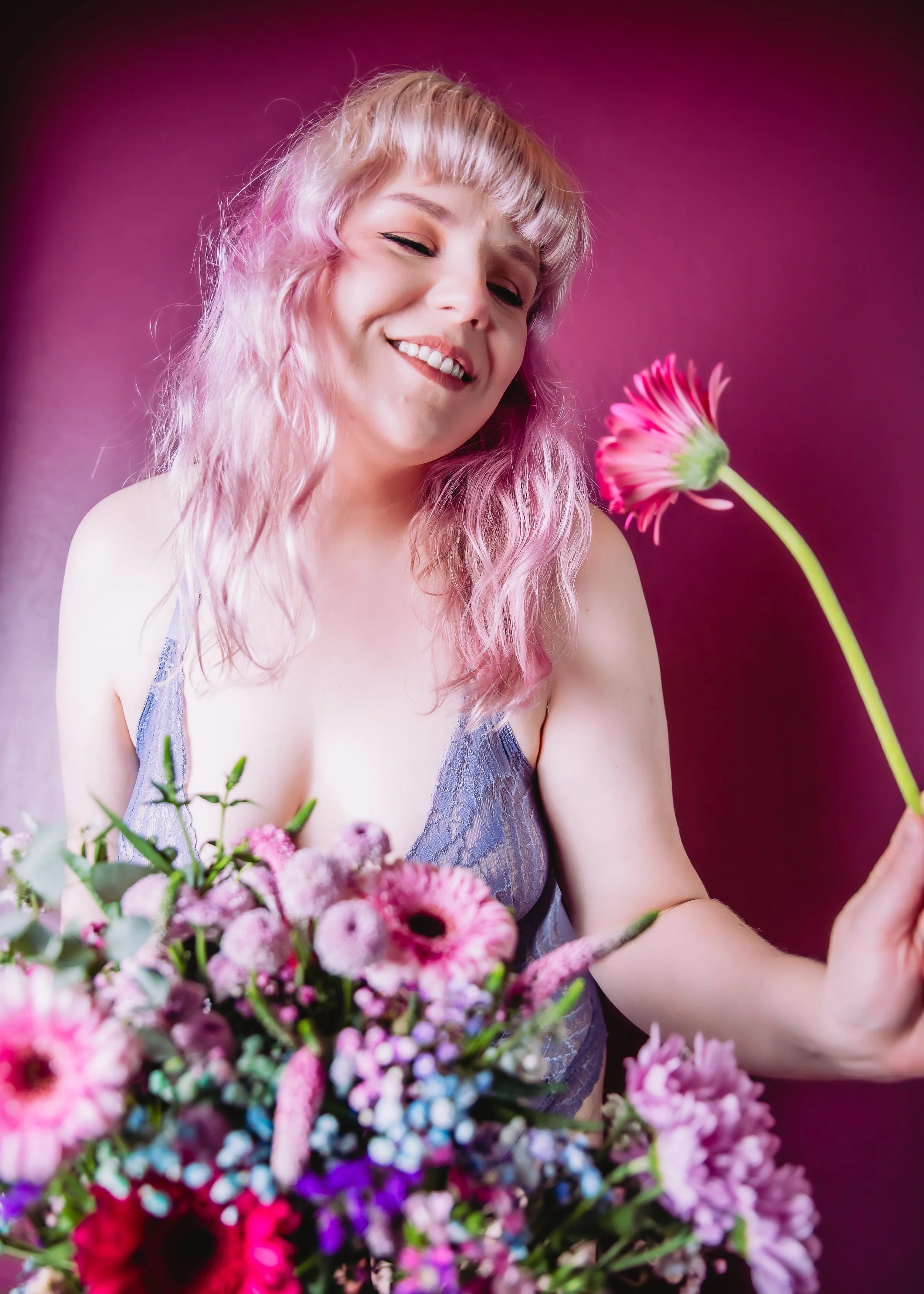
Gretchen
Women’s rights remain a vital topic in today’s world, touching every aspect of society. Gretchen shared her personal experiences and perspectives on the ongoing struggle for gender equality. Her candid responses shed light on the challenges women face and the importance of collective action.
“For me, women’s rights mean having freedom with their body and the same rights as men,”
Gretchen explained. This simple yet powerful statement underscores the fundamental principle of equality—women should have autonomy over their bodies and lives, just as men do.
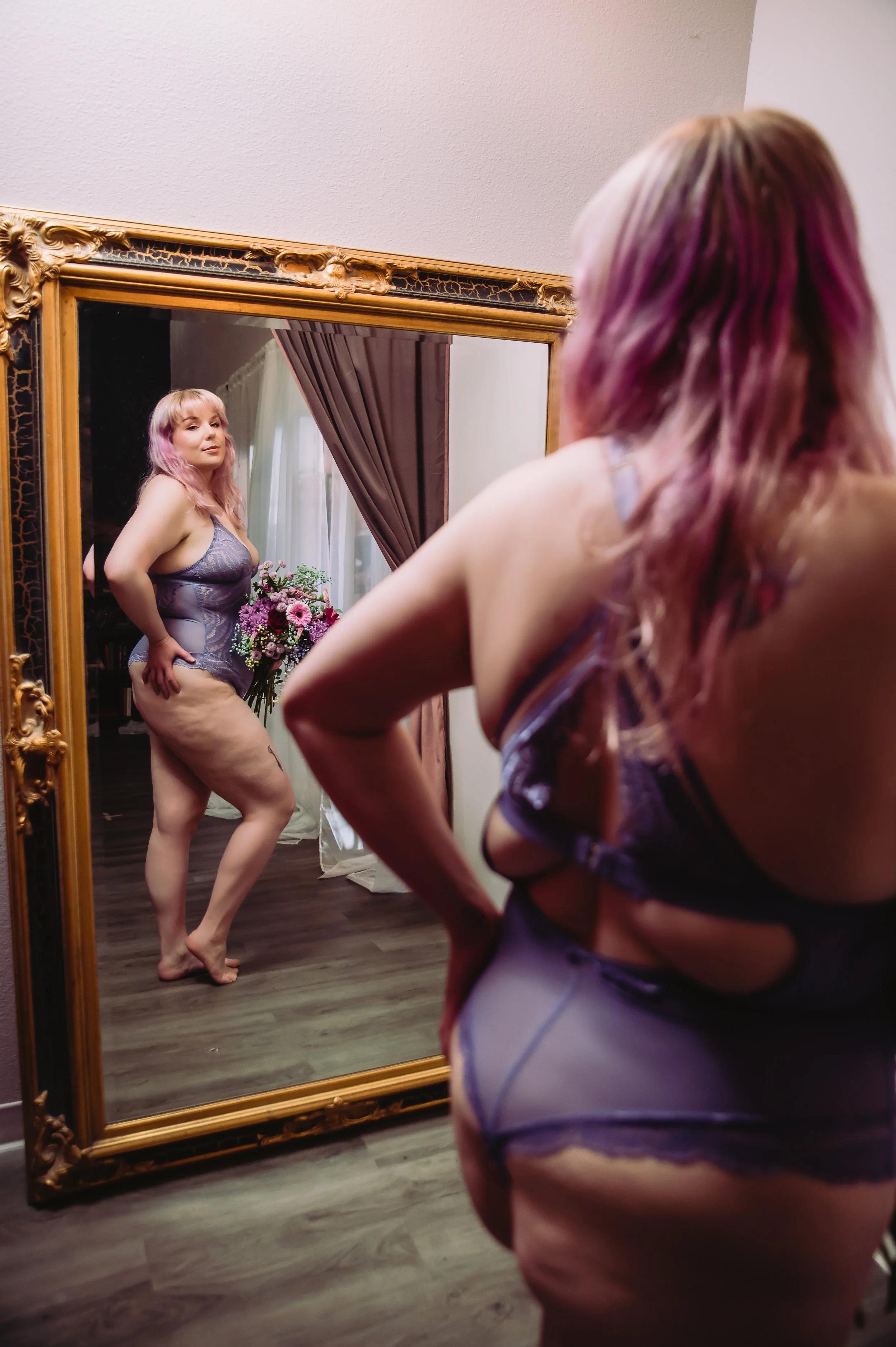
Gretchen stressed the importance of focusing on how we raise boys and young men:
“We really need to be focusing on how we’re training young men and little boys because I think a lot of the issues that we’re having is men not respecting those boundaries… We’re more focused on women—what were you wearing, how were you acting—and it’s wrong.”
Her perspective highlights the need for a cultural shift in education. Reflecting on the evolution of women’s rights, Gretchen observed, “Progress and then regressed… The fact that we had abortions available to everyone in every state and then it changed and now it’s not—that’s really weird.” She also noted that while some positive changes have occurred, such as the end of laws allowing marital rape, “Honestly, I don’t feel like it’s changed all that much.”

When asked about witnessing violations of women’s rights, Gretchen reflected on the overwhelming prevalence of such incidents. “There are too many to even say,” she admitted. She recounted a personal experience:
“I was trying to appease so that he wouldn’t hurt me… I said no and he said, ‘Oh, I thought no meant you wanted more lube.’”
Her story highlights the pervasive issue of consent and the ways in which women’s boundaries are often disregarded.
Gretchen believes that support and belief are crucial. “Supporting them when they’re saying that they’re struggling or feeling uncomfortable and believing them,” she said. Listening to women and validating their experiences is a vital step toward change.
“Women are still being treated as second-class citizens,” Gretchen stated. She pointed out that in some places, women face violence simply for walking alone, and even in countries with more rights, access to abortion and bodily autonomy are under threat. “That’s ridiculous,” she emphasized, calling attention to the ongoing fight for basic rights.
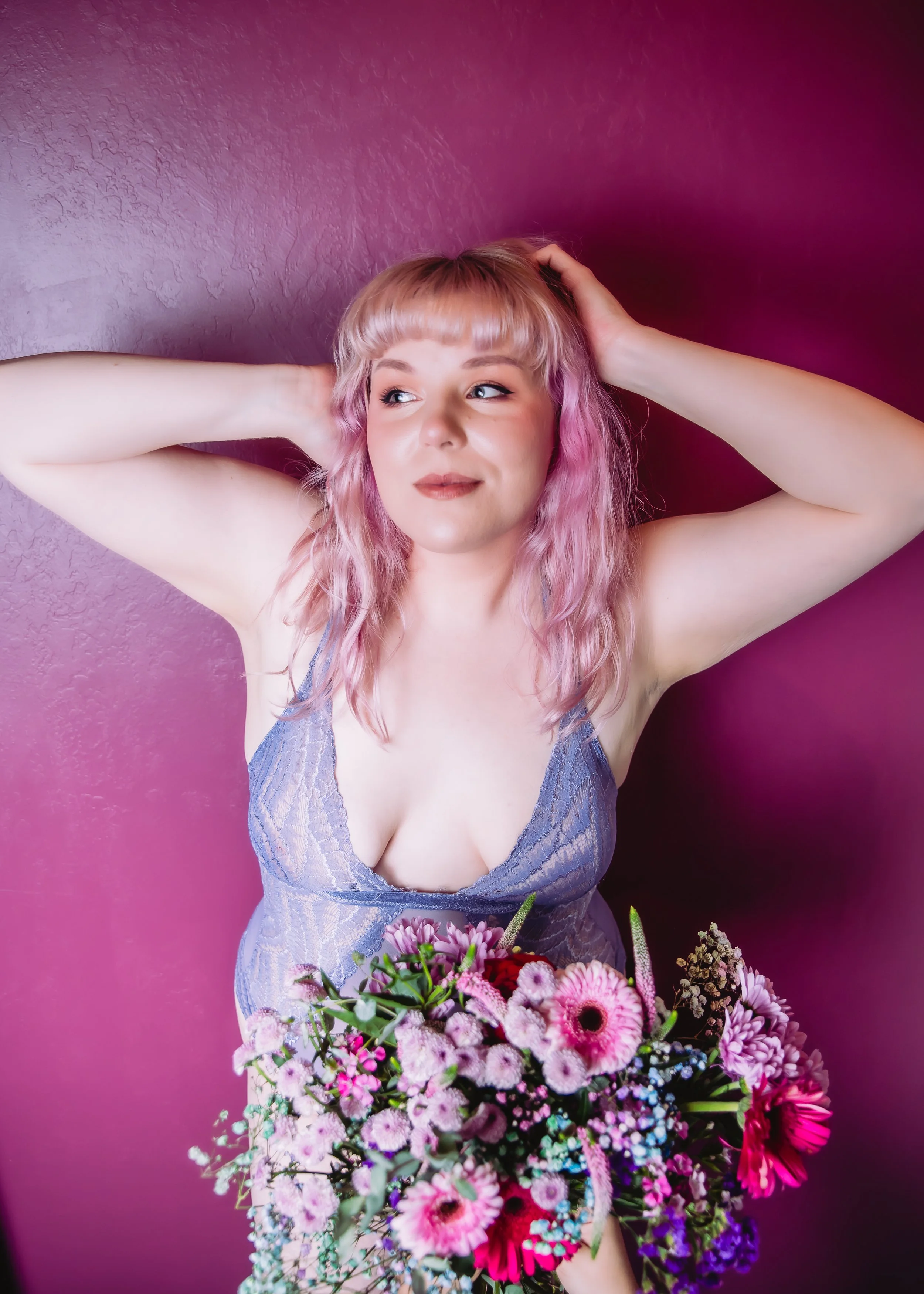
Gretchen’s greatest challenge was leaving an abusive relationship. Despite hardships, she found support: “I had Catalyst on my side and I had a really good friend who knew I could get out when I didn’t know I could get out.”
When asked what helped her most, Gretchen replied simply: “Catalyst and having friends who were supportive.”
Gretchen’s advice is clear: “Lean on your friends and reach out to Catalyst if you have the opportunity to do so, or if you’re living in another place, try to find a women’s domestic violence [organization].”
Gretchen’s story is a powerful reminder of the resilience of women and the importance of community, support, and advocacy in the ongoing fight for women’s rights. Her experiences highlight both the progress made and the work still to be done.