The following interview covers topics of women's rights, surviving hardships, and building a positive community. These are sometimes difficult to discuss and hear about, but this project is designed to raise awareness and foster understanding of these issue. Please continue with an open mind and compassionate heart as we share these women’s stories.
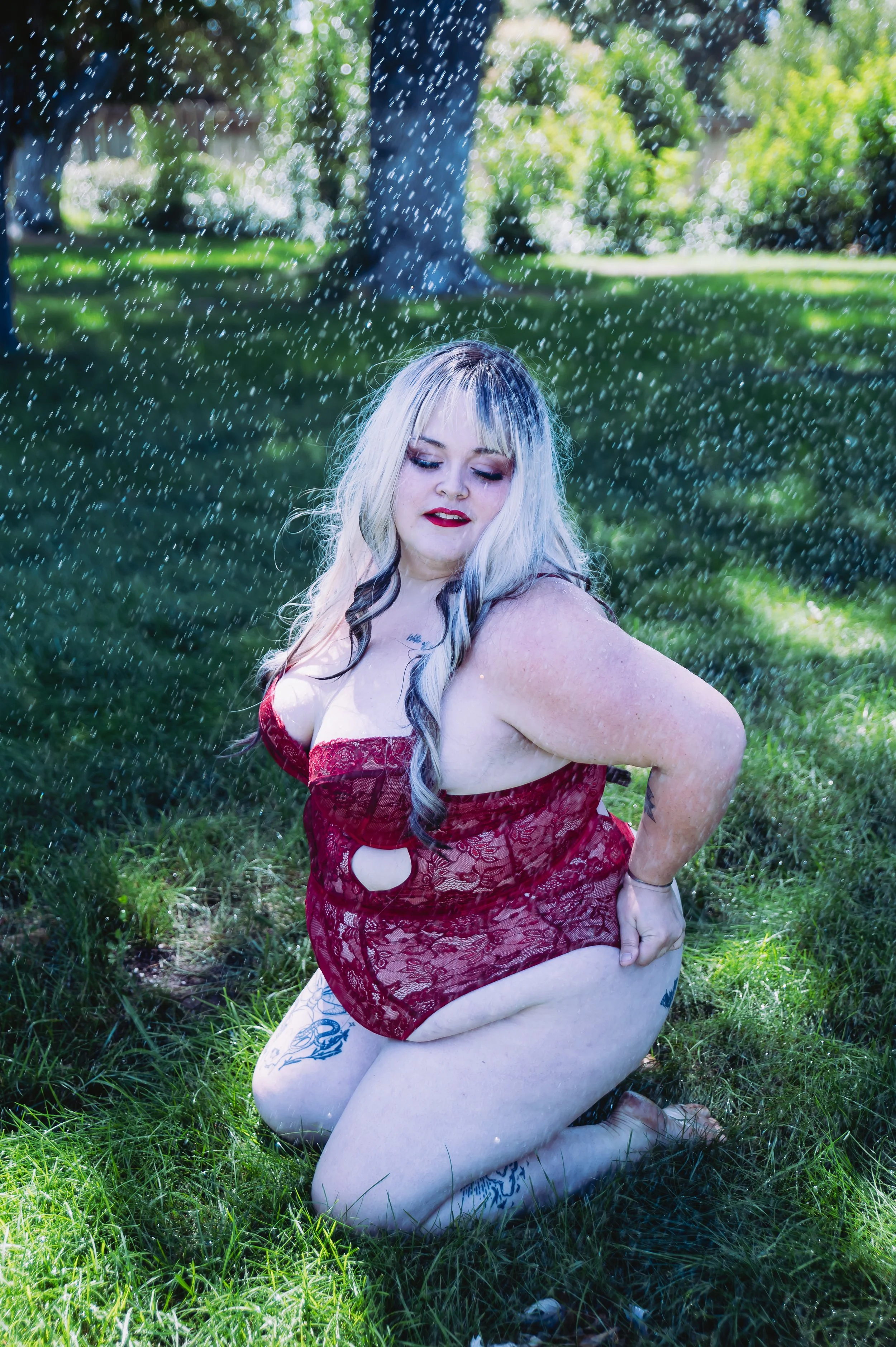
Ollie
In a candid and deeply moving interview, Ollie’s voice rises from a lifetime of hardship and advocacy to illuminate the ongoing struggle for women's rights. Through personal experiences, fearless convictions, and passionate calls to action, her story reflects both the harsh realities women still face and the enduring strength that fuels progress.
"Women's Rights Are Still Lacking"
To her, the very concept of "women’s rights" points to an underlying injustice: “Everyone’s rights should be equal and the fact that we have to create a specific 'genre' of rights for women shows exactly how far we still have to go.” This statement underscores the foundational problem in gender equity — that women's rights must be separately defined because equality is still not the norm.
She doesn’t speak from abstraction. Her experiences witnessing violations of women’s rights are raw and widespread: “There are so many that it's really despicable… I’ve stepped in in front of sons berating their mothers, strangers on the street being harassed by drunk fools, women being hit by their significant others.” These aren’t distant news headlines — they’re moments she’s lived through, often intervening at personal risk.
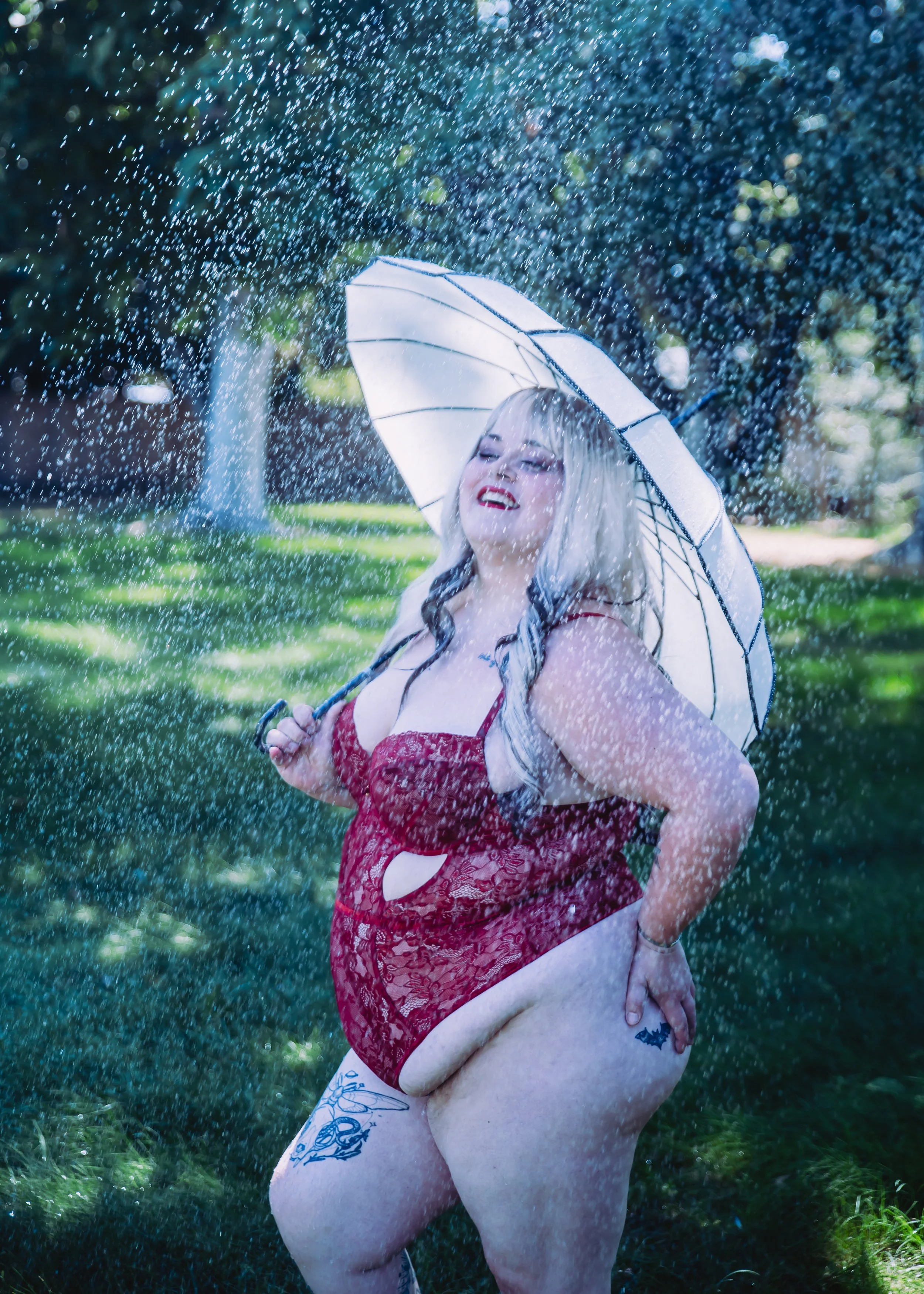
So how can ordinary people make a difference? According to her, it starts with action: “When you see the abuse in real time you need to call it out in real time, and that can be incredibly scary and take a lot of courage to do.” Her emphasis is not on grand gestures, but on everyday bravery.
Her fears extend beyond individual acts of misogyny. On a systemic level, she sees increasing threats to bodily autonomy: “Our current political system is seeking to eradicate our autonomy and turn us into baby farms. It's quite terrifying to be a woman in the current state of the world.” As a mother of three daughters, she feels this fear intensely.
Education, she argues, must begin at home — and must include boys: “Educate your sons to be good men. Toxic masculinity has really become the bane of my existence.” Her point is clear: equality begins when we dismantle harmful gender norms from childhood.
The interview takes a powerful turn when she shares her most painful experience: becoming a ward of the state at 17, followed by homelessness, rape, and police victim-blaming. “I was SA’d at a house party… and the police questioning me at the hospital accused me of 'promiscuous behavior.'” The trauma sent her into a spiral of addiction and despair. But even from rock bottom, she clawed her way back.
Her recovery wasn’t easy or linear: “I don’t know if I’m fully over it, I just take it one day at a time.” Therapy, self-reflection, and above all — her chosen family — gave her the support she needed. “My girlfriend’s and my gay friends breathed life back into me.”
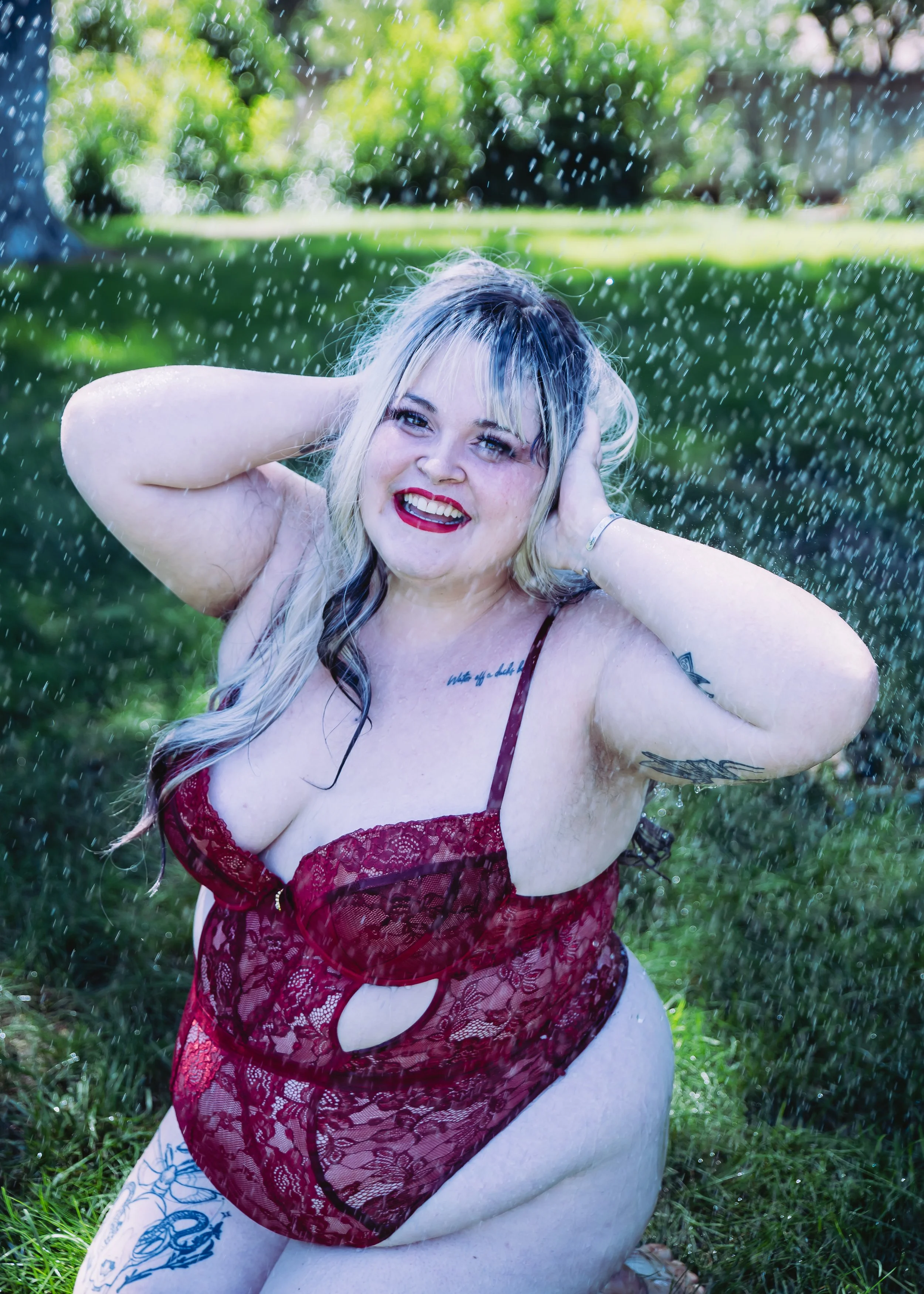
Community plays a central role in her healing and empowerment: “Coming from a dysfunctional family background, my community that I built is everything to me.” She believes women must “gather more and share their stories… society has tried to break us apart in fear of our collective power.”
Yet, she acknowledges that internalized competition and societal pressure divide women. “Girls grow up feeling like they have to be number one… and it creates ugliness.” But with empathy and solidarity, those barriers can be dismantled.
True male allies, in her view, are proactive: “It’s not enough to be the guy who doesn’t do it — you have to be the guy who tells their predatory friends off.” Passive support isn’t enough in a world that demands real accountability.
Her definition of female autonomy is simple and powerful: “The right to do with your body and your mind what you see fit.” But the systems around women — in the workplace, in the home, in society at large — often deny that freedom. “Women are overlooked… not considered as people but as commodities to serve the world of men.”
Empowering women, she says, means creating safe, stigma-free spaces, access to healthcare, and role models of autonomy: “Not all women are ready to get out of their abusive situations, but showing them an example of how bright life can be helps.”
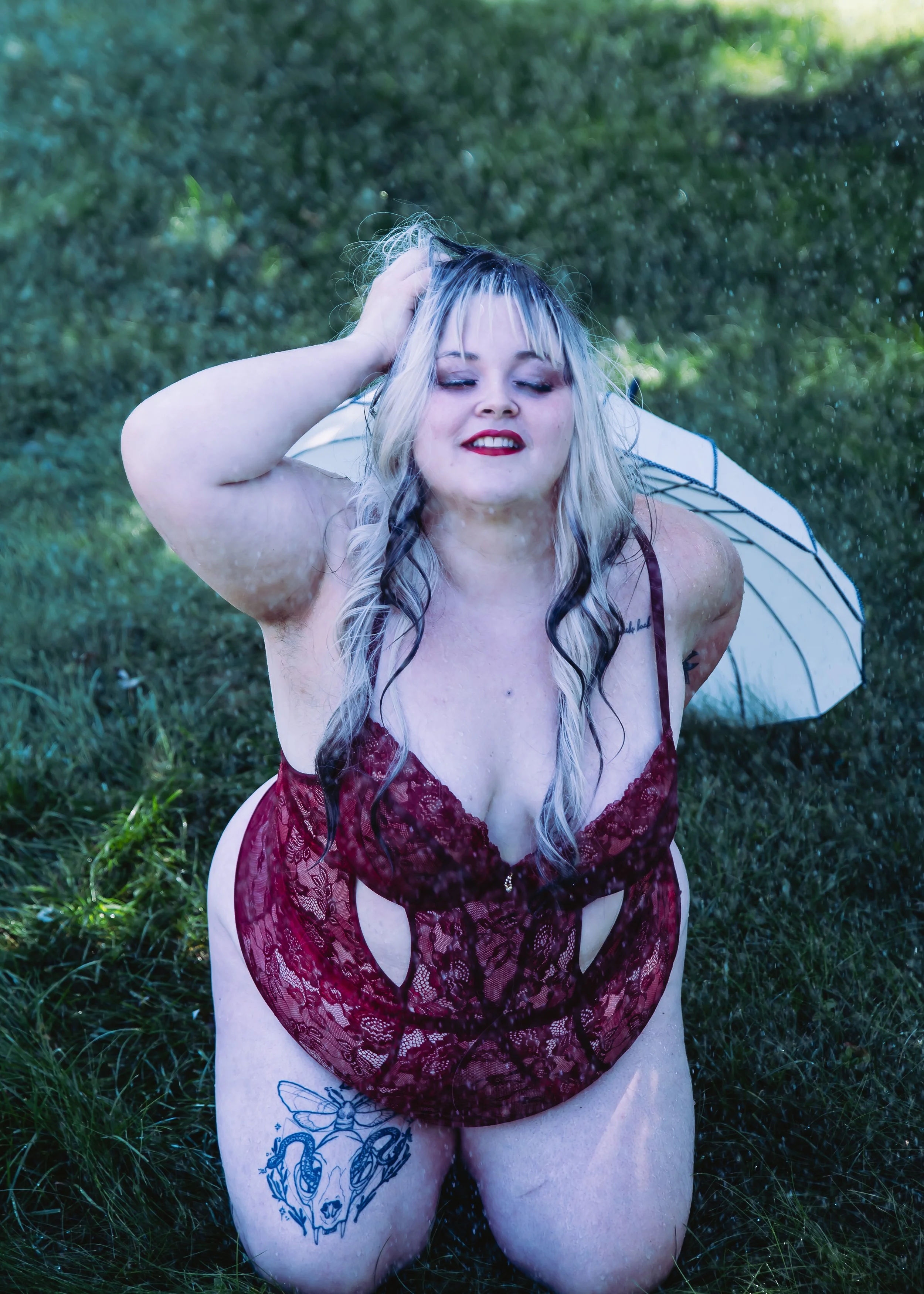
She doesn't just talk the talk. One of her proudest moments was representing herself in court and winning custody of her children after years of proving her ex-husband’s abuse: “I wasn’t a quiet woman who sat down and accepted what was in front of her. I demanded better.” The experience brought her peace and showed her what determined autonomy can achieve.
Her story is a testament to the complexity of being a woman in today’s world — a mix of hardship, courage, vulnerability, and strength. It’s a reminder that while progress has been made, much remains unfinished.
“When I was small, there was a time where I loved myself… That is what I hold on to. She deserves the world. And I take steps every day to try and make that happen for her.”
Indeed, it is women like her — those who rise from trauma to activism — who are changing the world, one brave voice at a time.