The following interview covers topics of women's rights, surviving hardships, and building a positive community. These are sometimes difficult to discuss and hear about, but this project is designed to raise awareness and foster understanding of these issue. Please continue with an open mind and compassionate heart as we share these women’s stories.

Lucy
In an era where conversations around gender equity continue to evolve, one woman’s reflections shed light on both the progress that’s been made and the long road ahead. Drawing from her personal experiences and insights, she highlights what women’s rights mean to her and why the fight for autonomy and equality remains as urgent as ever.
To her, women’s rights are more than a political concept — they symbolize movement, growth, and resilience. “They represent how far we have come as a society in America and the world and show what women are capable of.” It’s a reminder that every milestone — from gaining the right to vote to running for office — was hard-earned and deeply significant.
Reflecting on her own lifetime, she recalls a time when women couldn’t even be seriously considered for national leadership: “When I was young there was no possibility of a woman running for president… it doesn't sound as ridiculous as it did listening to the adults talk about it when I was a kid.” The shift in public perception itself is a marker of social transformation.
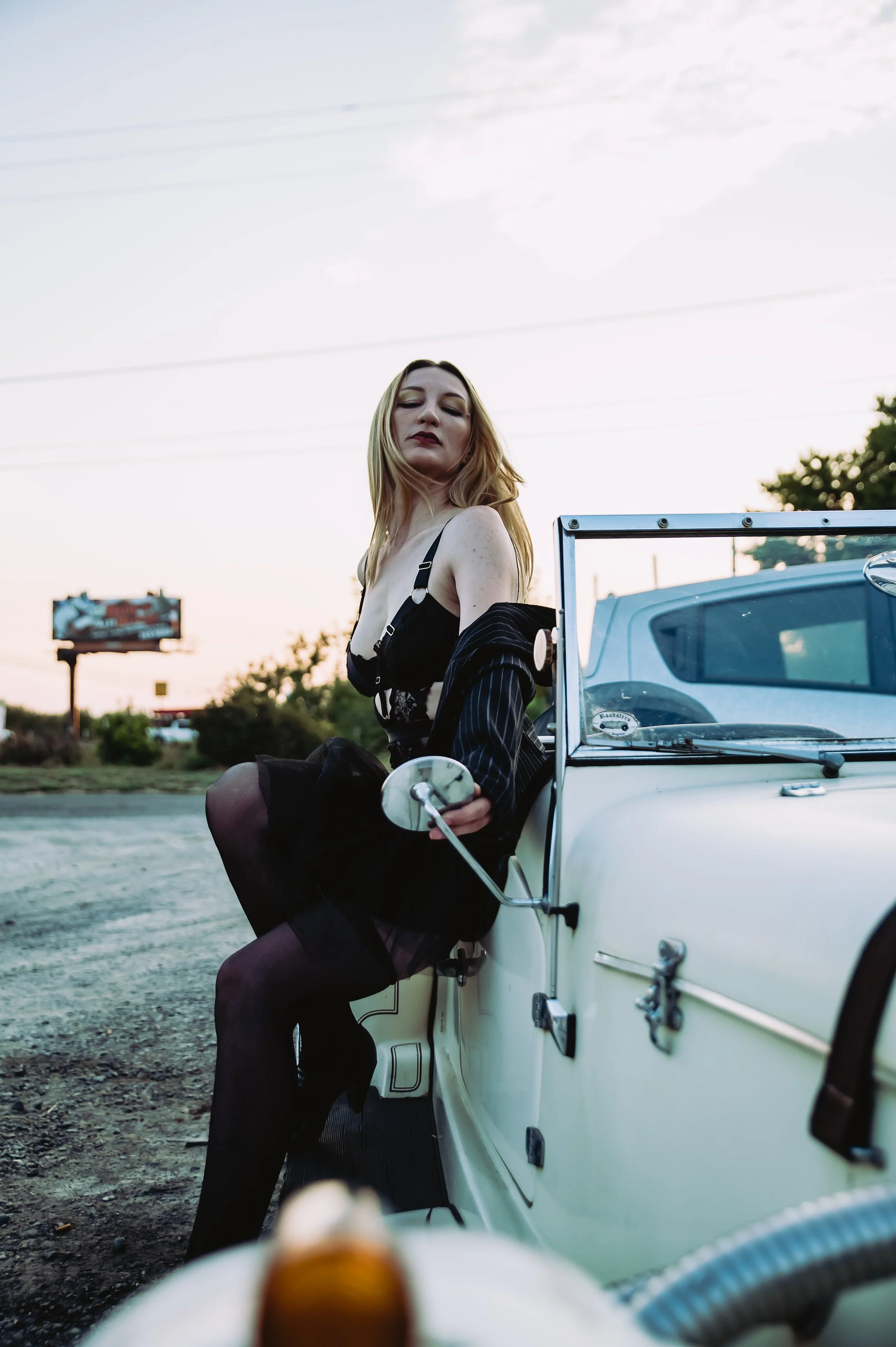
But progress does not mean the end of struggle. She’s seen firsthand how women’s rights are still violated, especially in everyday environments. “At the bar, I’ve witnessed men in public areas demand positive female attention and get violent when they are refused.” Such moments speak to a culture of entitlement and control that still threatens women’s safety.
She also cites broader systemic issues, especially those related to healthcare: “In our country, we are struggling with abortion rights and women's medical rights over what surgery they can have to their reproductive organs.”
For her, standing up for women’s rights doesn’t always require grand action. Sometimes, it’s about changing attitudes: “By ignoring how other people dress and not being concerned with other people's clothing choices,” she says, we can dismantle judgment and let people express themselves freely.
She also believes safe environments are critical for education and activism: “Having more organizations offering a safe place for women to fight for their rights and education” is key to progress. It’s about building informed, supportive communities that empower the next generation.

For her, female autonomy is non-negotiable: “Women’s physical body and mental and emotional health is her own.” But achieving and protecting this autonomy isn’t easy. In the professional world, she notes how women’s efforts are “dismissed… if a woman is attractive it’s assumed she got there because she looks good, not because of the work she did.”
Mental health remains another under-acknowledged area where women struggle. She calls for more reproductive clinics, abuse centers, and organizations like Catalyst to provide the safety and resources women need to reclaim their lives.
Society’s expectations, she says, still box women in: “Women thinking they aren’t good enough physically or mentally… getting trapped in situations because of societal expectations.” Dismantling these norms starts with cultural change — and safe, empowering environments.
Perhaps the most inspiring moment in her story is when she took control of her future: “I started my own business and used my rights to obtain my business license and take steps to being my own boss and supporting my family.” In that act, she demonstrated the true essence of female autonomy: self-determination, resilience, and the will to thrive.
Her story is one of survival, growth, and fierce independence. In a world still rife with challenges for women, her voice reminds us that change is both possible and necessary — not just in policy, but in everyday action, community building, and personal courage.
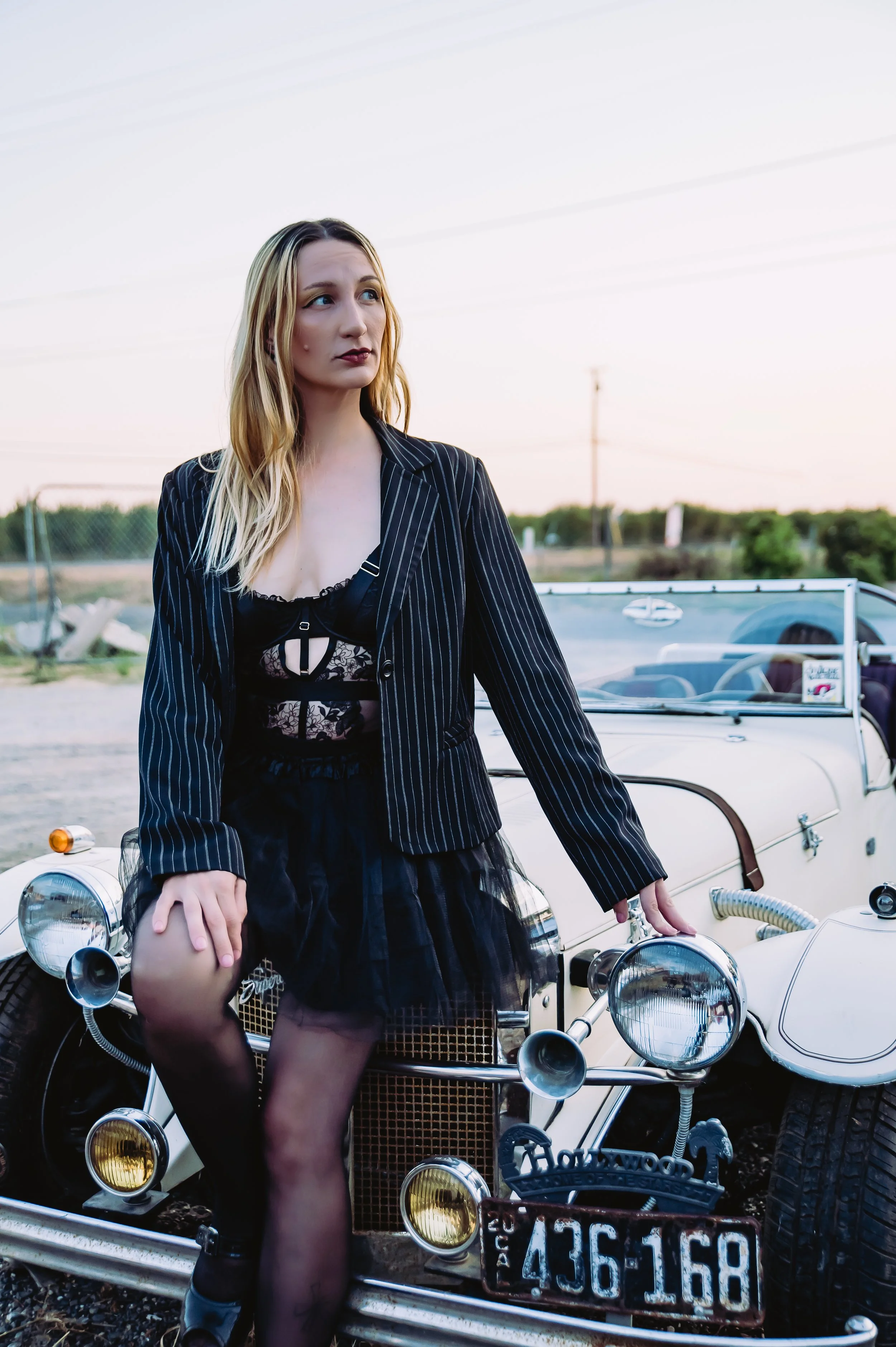
One of her most courageous acts was leaving an abusive relationship — a decision that led to legal action and, temporarily, moving back in with her parents. “Now I live in a home of my own,” she says with quiet pride. Her strength came from family, her children, and a refusal to accept less than she deserved.
Her advice to others facing similar situations is grounded in wisdom and self-respect: “You’ll know when you’re done and you can’t change people. Don’t love someone for who they can be — love them for who they are.”
Support Networks and Community Resilience
She emphasizes how crucial support systems were to her recovery and survival. “Very important,” she says, when asked about the role of support networks. “If they didn’t exist, there would be a lot more sad stories and crimes against women.”
Her own community helped her feed her children and gave her a sense of belonging and purpose: “Community support has helped me feed my kids and myself and the homeless, and helped me find people to give back to my community.” This reciprocal relationship — giving and receiving — is at the heart of true empowerment.