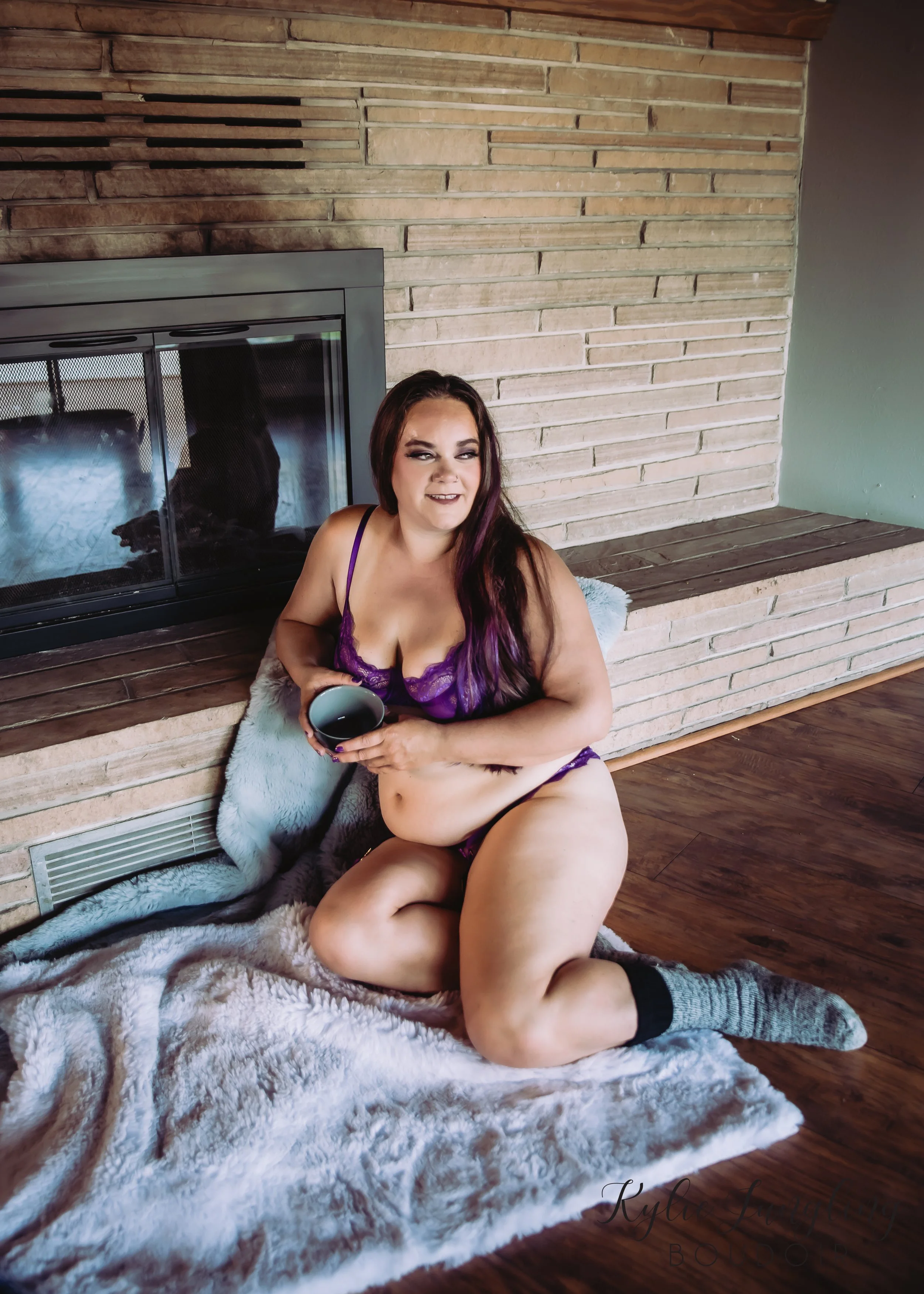
The following interview covers topics of women's rights, surviving hardships, and building a positive community. These are sometimes difficult to discuss and hear about, but this project is designed to raise awareness and foster understanding of these issue. Please continue with an open mind and compassionate heart as we share these women’s stories.
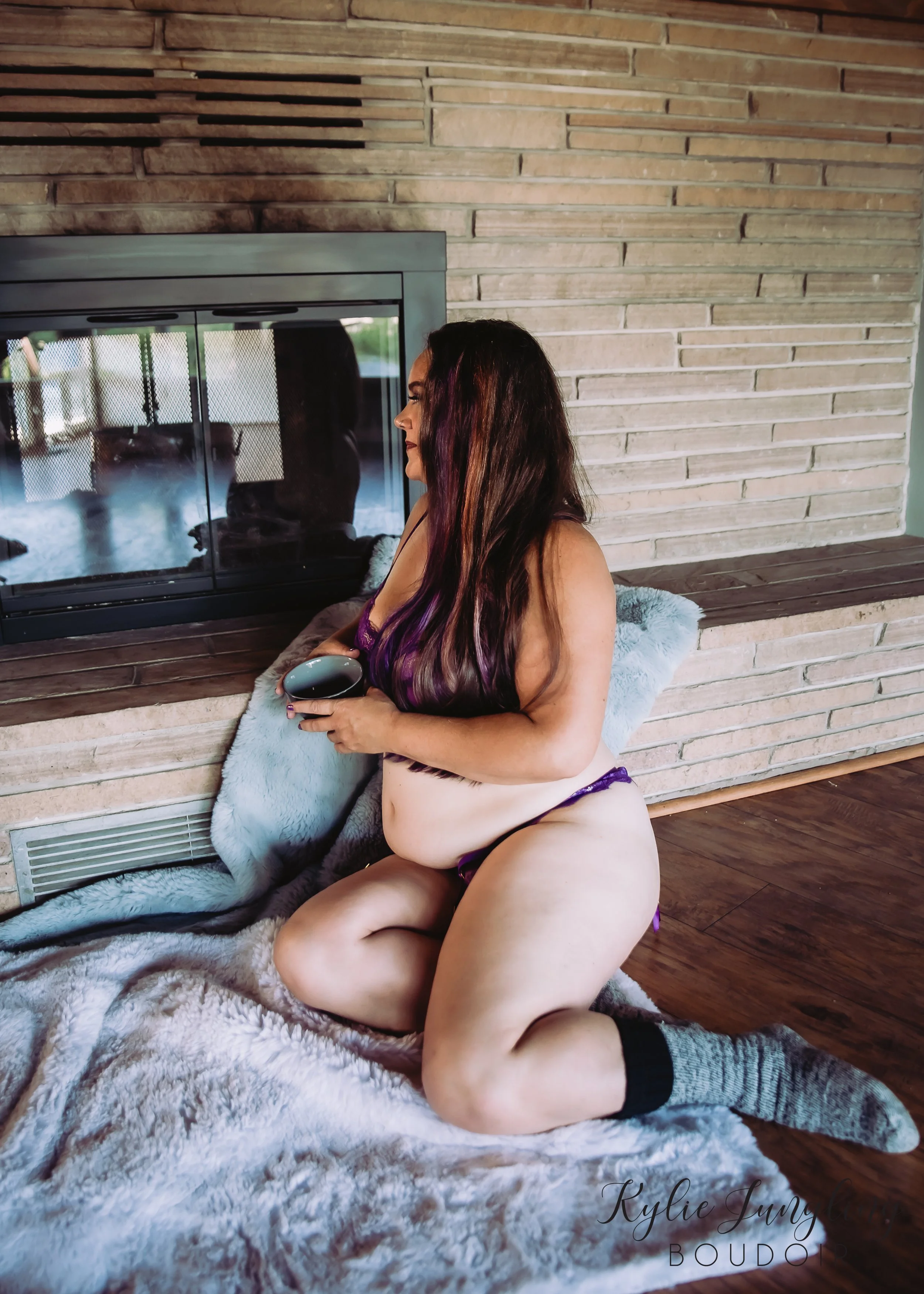
Whytnee
Whytnee’s advice for contributing to women's rights is refreshingly simple: “Simply looking out for each other. You don’t have to have a ton of female friends, but being there for each other is enough.” Advocacy doesn’t always need a sign or a stage — it starts in daily interactions and quiet acts of support. When asked how we can educate the next generation about gender equality, she emphasizes inclusion from the beginning: “Start early and don’t put anyone on a pedestal. Equal rights mean equal rights — man, woman, trans, bi — doesn’t matter, they are all human.”
She’s also deeply aware of how far things have regressed. “Watching how women empowerment was so prevalent in the ’90s and watching how far back we are being pushed is really hard.”
One of the most harrowing parts of her story is becoming homeless at age 12. “I had to talk people into letting me stay places until I found permanent housing.” Eventually, a family friend took her in — a moment of stability that changed everything.
Support systems like school, counselors, and friends were her lifelines: “Without access to school to shower and get clothes, I wouldn’t have been able to live.” Her story is a powerful reminder that seemingly small things — a hot shower, clean clothes, a safe place — can be the difference between surviving and falling through the cracks.
Her message is clear and direct: “Don’t fall down the rabbit hole and don’t try and do things the easy way. Don’t ever do drugs… I never did, and it was one of the ways I got help.” In a world that often offers dangerous escapes to vulnerable youth, her strength lies in choosing the hard road — and surviving it.

In an honest and deeply personal interview, Whytnee shared her journey through hardship, survival, and strength — all rooted in the ongoing struggle for women’s rights. From her childhood experiences to her views on today’s political and social climate, her voice highlights what female autonomy and community truly mean.
“A lot because I am a woman,” she says plainly. But her connection to women’s rights is deeply generational, shaped by the experiences of her grandmother. “Nana was born in the 1950s in Oklahoma and didn’t have any rights as a Black woman… she left when she was 18 because of the rights movement.”
This legacy of resistance and survival has informed how she sees progress today. Women’s rights, for her, are not just a legal or political topic — they are personal, rooted in generational trauma and resilience.
Asked whether she’s ever seen a violation of women’s rights, her answer is immediate and heavy: “There’s too many to count. My mother was in a gang, so experiencing how she was treated was really rough. I’ve seen the worst of the worst.” This is the reality many women live in — where violations are not isolated incidents but daily occurrences.
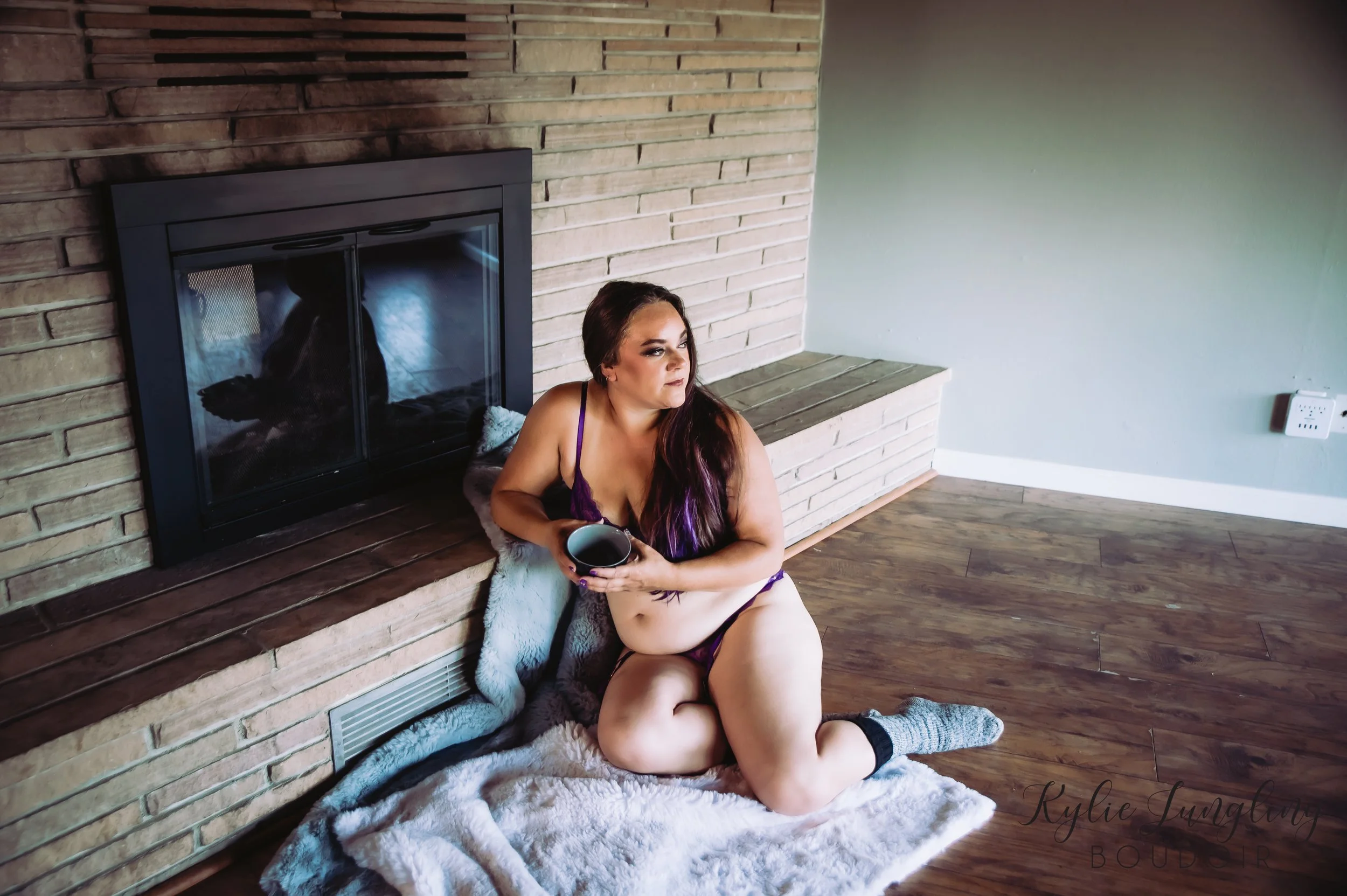
When asked what female autonomy means to her, she’s unequivocal: “Owning your own body and the rights to do with it what you want.” But that autonomy is under attack — especially in today’s political climate.
“It’s hard to get basic body rights and medical care,” she says. “Planned Parenthood is great because they can get you what you need without the costs that doctors charge.”
Women’s resource clinics, abuse centers, and organizations like Catalyst are the backbone of autonomy, offering the tools women need to take control of their lives.
She speaks vulnerably about the impact of early sexualization due to her body developing young: “It made people think I was older than I was, which made me self-conscious… it impacted how I view myself even into adulthood.” Her story is a painful example of how cultural norms and beauty standards can rob girls of their innocence — and their autonomy.
This woman’s life — shaped by trauma, grit, and growth — is a reflection of the challenges many women face. Yet, her story is also a testament to resilience. Through community, honesty, and sheer determination, she has not only survived but helped lay the foundation for others to thrive.
Her words are a reminder: women’s rights are not just about laws or protests. They are about lived experiences, about daily survival and everyday solidarity. They are about choosing yourself — again and again — and helping others do the same.